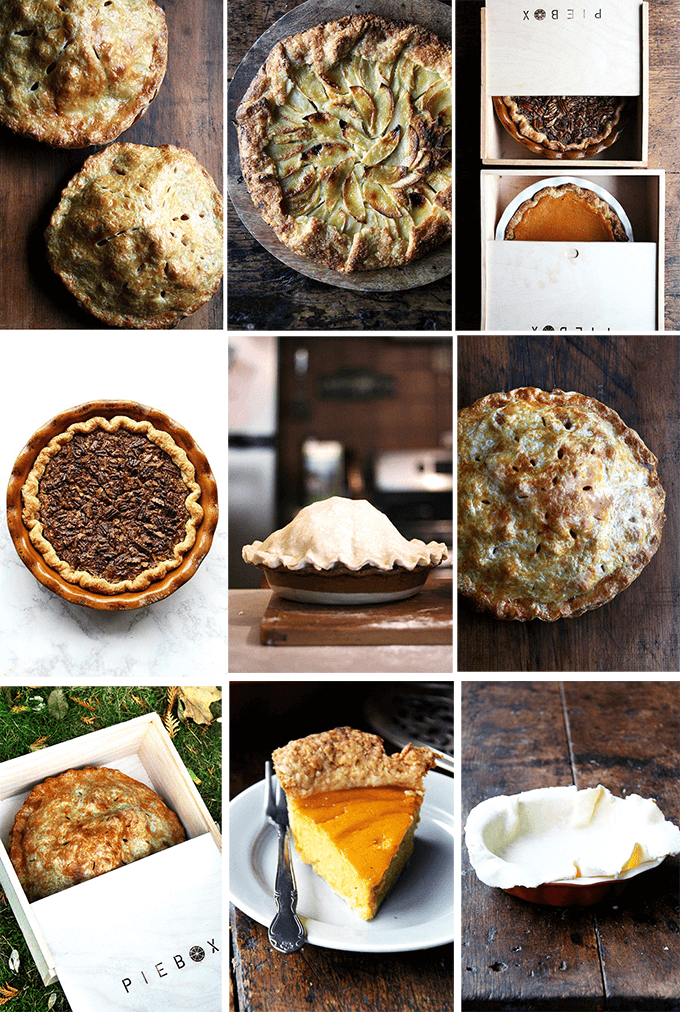
For many home bakers, the quest for the perfect pie crust can feel like chasing a culinary unicorn. It's often seen as the ultimate test of skill, a delicate balance of butter, flour, and technique that can either result in a flaky, tender masterpiece or a crumbly, tough disappointment. But what if there was a simple, elegant secret, passed down from French culinary wisdom, that could transform your approach, making your favorite all purpose pie dough recipe all the pies i use it with not just achievable, but consistently extraordinary?
Enter the "French Tea Towel Trick," a game-changing method that, combined with foundational baking principles, promises to elevate your pie-making prowess. Not only will you learn to create a Buttery, Tender Perfection: Your Go-To All-Purpose Pie Dough with ease, but you'll also discover the secret to freezing batches, ensuring that a homemade pie is always just an unwrap-and-roll away.
The Undeniable Truth: Cold is Gold for Your Pie Dough
No matter which specific pie dough recipe you follow, the overarching philosophy for success remains singular and paramount: keep everything cold, cold, cold. This isn't just a suggestion; it's the fundamental principle that dictates the texture of your finished crust. When butter is kept exceptionally cold and distributed into small, pea-sized pieces within the flour mixture, it doesn't fully melt into the dough during the mixing process. Instead, these tiny pockets of butter remain distinct. Then, when the pie bakes, the water content in the butter rapidly turns to steam, creating miniature air pockets that push apart the layers of dough. This magical process is what gives a truly great pie crust its signature flakiness and tender crumb.
To set yourself up for success, begin by cubing your butter and chilling it thoroughly in the refrigerator (or even the freezer for 10-15 minutes) before you start. Similarly, ensure your water is ice-cold – fill a liquid measuring cup with ice and water and let it sit while you prepare your dry ingredients. Even your tools can benefit from a chill; some seasoned bakers swear by keeping their mixing bowls and even marble rolling pins in the freezer!
Embracing Efficiency: The Food Processor Method
While purists might insist on a pastry blender or even their fingertips for mixing pie dough, embracing modern kitchen tools can be a revelation, especially when time is of the essence. Using a food processor, a technique even endorsed by culinary luminaries like Martha Stewart, streamlines the process significantly without compromising quality. The quick pulses of the blade cut the cold butter into the flour with incredible speed and efficiency, minimizing the risk of overworking the dough (which leads to toughness) and keeping the butter from melting.
For those making multiple batches, a food processor is an invaluable ally. Instead of multiplying a single recipe and potentially overcrowding your machine, simply make separate batches consecutively. There's no need to clean the processor bowl between batches; the residual flour and butter will only contribute to the next perfect batch. This approach ensures each batch gets the precise care it needs, guaranteeing a consistent outcome every time you bake. For a deeper dive into the importance of temperature, explore Foolproof All-Purpose Pie Dough: Cold Secrets to Flaky Crust.
The "Beggar's Purse" Revelation: Caroline Cazaumayou's French Tea Towel Trick
Now, for the piece de resistance, the charmingly simple yet incredibly effective technique that originated from a French cooking class a decade ago: the tea towel trick. Taught by French instructor Caroline Cazaumayou at Antoine’s Cafe in San Clemente, California, this method transforms crumbly dough into a perfectly unified disk with astonishing ease.
Here’s how it works:
- After you've pulsed your flour, sugar, and cold butter together in the food processor and added just enough ice water to bring the mixture to a shaggy, crumbly consistency, resist the urge to knead it or press it together by hand.
- Instead, dump the loose, crumbly dough directly into the center of a clean, sturdy tea towel.
- Gather the corners of the tea towel and twist them tightly together, forming what resembles a "beggar's purse" or a tight bundle.
- Give the bundle a gentle squeeze and a few twists. The pressure from the twisting action, combined with the slight friction within the towel, encourages the shaggy dough pieces to adhere to each other without overworking the gluten.
When you unravel the tea towel, you'll be greeted by a perfectly round, cohesive disk of dough – a sight that often elicits gasps of delight, just as it did in Caroline's class. This ingenious trick achieves two critical things:
- A Tender Crust: Because the dough is never truly "kneaded" or excessively handled, the gluten development is minimized. This results in an incredibly tender, melt-in-your-mouth crust, free from toughness.
- A Perfectly Round Shape: This ideal starting point means less re-rolling and patching when it comes time to roll out your crust, saving you time and frustration, and ensuring an even thickness across your pie or tart.
Beyond the Basics: Essential Tips for Your Best Pie Dough
While the cold principle and the French tea towel trick are game-changers, a few additional considerations will ensure your pie dough consistently reaches its full potential:
- The Pre-Chill is Non-Negotiable: Always start by cutting your butter into small slices or cubes and placing them in the fridge for at least 15-20 minutes. The colder the butter, the better. Have your ice water ready to go as well.
- Hydration and Relaxation: After forming your dough disk, wrap it tightly in plastic wrap and refrigerate it for at least 24 hours before using. This crucial resting period allows the flour to fully hydrate, ensuring a more supple dough that's easier to roll. More importantly, it gives the gluten a chance to relax, contributing significantly to a tender crust. Rushing this step is a common mistake that leads to tough, inelastic dough.
- Chill Before Baking: Once you've rolled out your crust and placed it in your pie plate (especially if you're blind baking or parbaking), chill it again for at least 30 minutes in the refrigerator. This firms up the butter one last time, helping to prevent shrinkage and maintain the crust's shape during baking.
- Keep Your Tools Cold: As mentioned, a cold environment is key. If you have a marble rolling pin, consider storing it in the freezer. The dense, cold surface will help keep your dough chilled as you roll it out, preventing the butter from softening prematurely. If a marble pin isn't an option, even a quick chill for your regular rolling pin in the fridge can make a difference.
- Sugar's Secret Role: Beyond just adding a touch of sweetness, the small amount of sugar in your favorite all purpose pie dough recipe all the pies i use it with plays a critical role. It actively interferes with gluten formation, further contributing to that desired tender texture. Additionally, sugar helps the crust achieve a beautiful golden-brown color as it bakes, making your pies as visually appealing as they are delicious. Despite this sweetness, the dough remains perfectly suitable for savory applications like quiches, pot pies, and empanadas.
Unlock Convenience: Make & Freeze Your Favorite All-Purpose Pie Dough
One of the greatest advantages of mastering this reliable pie dough recipe is the ability to prepare it in advance and store it for future use. Keeping several disks of your Buttery, Tender Perfection: Your Go-To All-Purpose Pie Dough in the freezer is a true culinary superpower, especially during busy seasons like the holidays or when an unexpected craving for pie strikes.
To freeze your dough properly, simply wrap each prepared disk tightly in plastic wrap, then place it in a freezer-safe bag, pressing out as much air as possible. Label with the date. Your dough can happily reside in the freezer for up to 3-4 months. When you're ready to bake, transfer a disk to the refrigerator the night before to thaw. On baking day, let it sit at room temperature for 15-20 minutes before rolling, just until it's pliable enough to work with but still very cold.
This forward-thinking approach means you're always ready to create a stunning dessert or a comforting savory meal. Imagine pulling out a perfectly prepared dough for an apple pie, a rich chicken pot pie, a vibrant berry tart, or a hearty quiche. This truly is the favorite all purpose pie dough recipe all the pies i use it with, offering unparalleled versatility and convenience.
Mastering homemade pie dough no longer needs to be an intimidating task reserved for seasoned professionals. By embracing the cold-temperature philosophy, leveraging the efficiency of your food processor, and, most importantly, adopting Caroline Cazaumayou's brilliant French tea towel trick, you'll consistently achieve a tender, flaky crust. And with the added benefit of freezing your pre-made dough, your journey to creating Foolproof All-Purpose Pie Dough: Cold Secrets to Flaky Crust for all the pies you desire becomes not just easy, but a delightful part of your baking repertoire. So go ahead, give this trick a try, and prepare to be amazed by your own newfound pie-making prowess!
