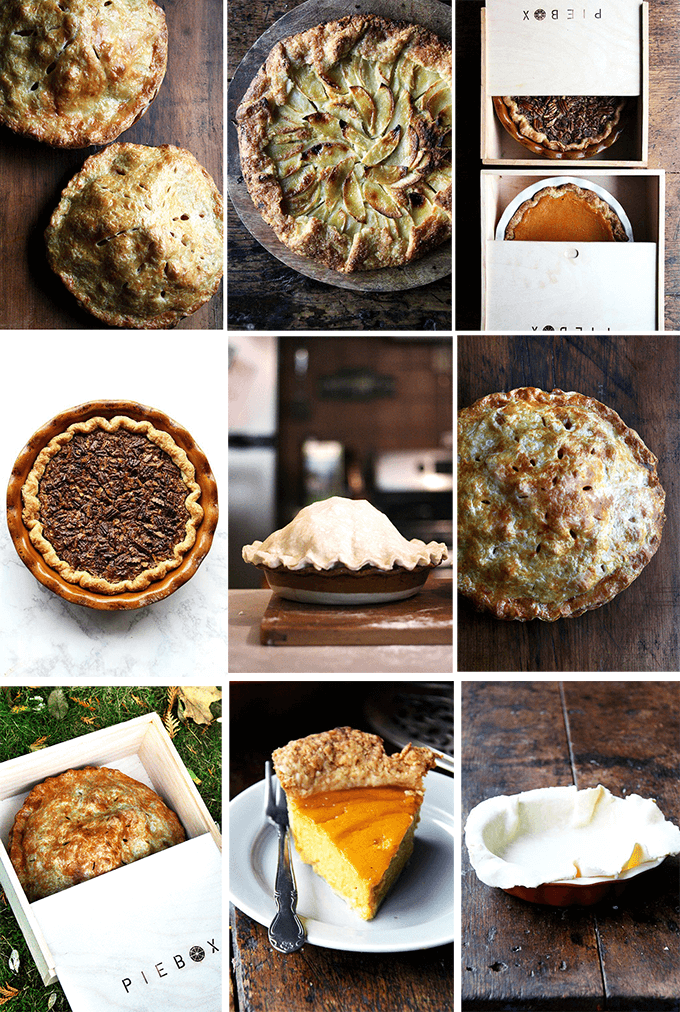
Unlock the Secrets to Your Foolproof All-Purpose Pie Dough
There's a universally acknowledged truth in the baking world: a truly great pie begins and ends with an exceptional crust. Yet, for many, the mere thought of homemade pie dough conjures images of sticky counters, shrinking edges, and crumbly disasters. What if we told you that achieving buttery, flaky perfection, suitable for literally *all the pies you use it with*, is not only attainable but also surprisingly simple? Welcome to the ultimate guide to your new
favorite all-purpose pie dough recipe, where we reveal the "cold secrets" to a crust so divine, it'll elevate every single one of your creations. Forget the intimidation; prepare for pure pie bliss.
The Immutable Law of Cold: Your Crust's Best Friend
Before we delve into specific techniques, let's establish the cardinal rule of pie dough:
keep your ingredients cold, cold, cold. This isn't just a suggestion; it's the foundational principle that guarantees a tender, flaky crust every single time. Why is cold so crucial?
*
Butter's Role in Flakiness: When tiny pieces of cold butter are encased in dough, they remain solid until they hit the hot oven. As the butter melts, it releases steam, creating pockets of air that separate the layers of flour. This magical process is what gives pie crust its characteristic flaky texture. If your butter gets too warm, it melts *before* baking, merging with the flour and resulting in a dense, tough crust.
*
Preventing Gluten Development: Cold also helps inhibit gluten formation. Gluten is a protein network that develops when flour is mixed with water. While essential for the structure of bread, excessive gluten in pie dough leads to toughness. Keeping ingredients cold and minimizing handling reduces gluten development, ensuring a tender, melt-in-your-mouth experience.
*
Ease of Handling: Cold dough is simply easier to work with. It's less sticky, holds its shape better, and is less prone to tearing when rolled out.
To uphold this sacred rule, start by cutting your butter into small cubes or slices and chilling them thoroughly in the fridge. For your liquid, fill a large measuring cup with ice and water, allowing it to get truly frigid before you even think about adding it to your dry ingredients. Some seasoned bakers even go so far as to chill their flour, or use a marble rolling pin kept in the freezer, though these are bonus steps for the truly dedicated!
Crafting Your Masterpiece: Methods for a Flaky Foundation
The journey to perfect pie dough can take a few different paths, each with its own merits. Whether you're a modern minimalist or a hands-on purist, there's a method for you.
The Efficient Food Processor Method
For speed and consistency, the food processor is an invaluable tool. While some purists might frown upon it, citing a loss of "hand-feel," even baking mavens like Martha Stewart advocate for its efficiency. If you're making multiple batches or simply short on time, a food processor will be your best friend.
The key here is quick pulses. You want to combine the flour, sugar, and salt first, then add the cold butter cubes and pulse until the mixture resembles coarse meal with some pea-sized pieces of butter still visible. Finally, drizzle in the ice water, pulsing just until the dough *just* starts to come together. Avoid over-processing, which can quickly warm the butter and overdevelop the gluten.
The Traditional Hand-Mixed Method
If you prefer to connect with your ingredients, making dough by hand is a rewarding experience. This method gives you ultimate control over the texture. After combining dry ingredients, use a pastry blender, two knives, or your fingertips to cut the cold butter into the flour mixture. Work quickly to avoid melting the butter with the warmth of your hands. Once you have coarse crumbs, gradually add the ice water, mixing with a fork or your hands until the dough forms shaggy clumps. Then, gently bring it together into a cohesive disk.
The French Tea Towel Trick: A Game-Changer
Perhaps the most ingenious technique for achieving a perfectly tender and round dough comes from a simple kitchen staple: the tea towel. This brilliant method, demonstrated by French instructors like Caroline Cazaumayou, transforms crumbly dough into a perfectly formed disk with minimal effort and no overworking.
After you've pulsed your ingredients in the food processor (or gently mixed them by hand) to the point where they are just shaggy crumbs, dump this mixture into the center of a clean tea towel. Gather the corners of the towel and twist them tightly, forming a "beggar's purse." The gentle pressure of this twisting action coaxes the dough crumbles to unite into a beautiful, uniform ball. When you unravel the towel, you'll be met with a perfectly round, pliable dough, ready for chilling.
This technique is a double win:
- It ensures a tender crust by preventing the dough from being over-worked, as the crumbles unify with minimal manipulation.
- It yields a perfectly round shape, an ideal starting point for effortless rolling into any pie plate or tart tin.
For a detailed demonstration and to truly master this innovative approach, be sure to read our dedicated guide:
French Tea Towel Trick: Make & Freeze Your Best Pie Dough.
The Role of Ingredients: Beyond Just Flour and Butter
While butter and flour are the stars, other humble ingredients play crucial supporting roles in your favorite all-purpose pie dough recipe.
*
All-Purpose Flour: Don't feel the need to buy special pastry flour. Good quality all-purpose flour works wonderfully, providing the right balance of structure and tenderness.
*
Sugar: A small amount of granulated sugar (typically a tablespoon or two) does more than just add a hint of sweetness. It also interferes with gluten formation, contributing to that coveted tender crust. Additionally, sugar helps your crust achieve a beautiful golden-brown color during baking. Crucially, this small amount won't make your dough too sweet for savory applications like quiches, pot pies, or empanadas.
*
Salt: Essential for flavor balance, salt enhances the taste of the butter and prevents the crust from tasting bland.
*
Ice Water: As discussed, ice water is non-negotiable. It brings the dough together without warming the butter, and the exact amount can vary slightly depending on your flour and ambient humidity, so always add it gradually.
Patience is a Virtue: Chilling for Perfection
Once your dough is formed into a disk, the work isn't over. Chilling is a vital step that many bakers are tempted to skip, but it's paramount for a truly foolproof crust.
*
The Initial Chill (24 Hours Recommended): After forming your dough disk, wrap it tightly in plastic wrap and refrigerate it for at least 30 minutes, but ideally 24 hours. This extended chill allows the flour to fully hydrate, meaning all the dry bits absorb moisture evenly. More importantly, it gives the gluten a chance to relax. A relaxed gluten network translates to a more tender crust that is less prone to shrinking when baked.
*
The Pre-Bake Chill (30 Minutes): Once you've rolled out your dough and fit it into your pie plate, pop the entire thing back into the fridge for another 30 minutes before par-baking or filling and baking. This final chill ensures the butter is rock-solid when it enters the oven, minimizing shrinkage and helping the crust hold its shape.
*
Freezing for Future Feasts: One of the best tips for any baker is to keep a stash of this brilliant dough in your freezer. Tightly wrapped disks of pie dough can last for months, ready to be thawed and rolled out at a moment's notice. This is especially useful during busy holiday seasons when having buttery, flaky pie crust on hand can be a real time-saver. Learn more about prepping ahead and freezing your dough in our guide on
Buttery, Tender Perfection: Your Go-To All-Purpose Pie Dough.
Practical Pointers for Pie Perfection
*
Making Multiple Batches: If you're baking for a crowd, don't multiply your recipe and overload your food processor. Instead, make separate batches consecutively. There's no need to clean the processor in between; a few residual crumbs won't harm the next batch.
*
Rolling with Care: When rolling out your chilled dough, work on a lightly floured surface. Start from the center and roll outwards, rotating the dough frequently to prevent sticking and ensure an even circle. Keep your movements swift and confident. If the dough starts to stick, lift it gently and add a touch more flour underneath. If it becomes too warm and soft, slide it back into the fridge for 10-15 minutes to firm up.
*
Mind Your Tools: Just as with your ingredients, cold tools can be a secret weapon. If you have a marble rolling pin, consider storing it in the freezer. Its natural coolness will help keep your dough from warming up too quickly during rolling.
Conclusion
Armed with these "cold secrets" and invaluable techniques, you're now ready to conquer the world of pie baking. From the essential role of frigid ingredients to the magic of the French tea towel trick, every step contributes to a crust that is tender, flaky, and utterly delicious. This isn't just a recipe; it's a philosophy, a foolproof approach to creating your
favorite all-purpose pie dough recipe all the pies I use it with. Embrace the chill, practice patience, and prepare to delight friends and family with pies that sing with homemade goodness, proving that the best crusts truly are a labor of love, perfected by cold secrets.