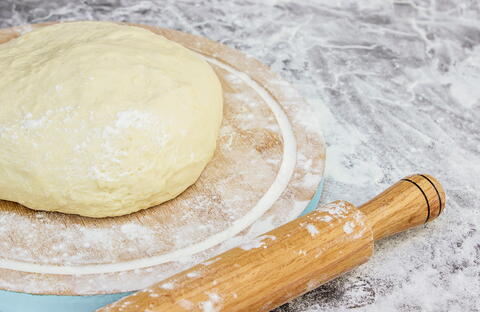
Buttery, Tender Perfection: Your Go-To All-Purpose Pie Dough
Imagine a pie crust that is consistently golden, exquisitely flaky, and so tender it practically melts in your mouth. A crust that provides the perfect counterpoint to any filling, whether sweet or savory, making every pie an unforgettable experience. For many home bakers, finding such a foundation is a quest – but today, your search ends. We're about to unveil the secrets behind what will surely become your favorite all-purpose pie dough recipe, a tried-and-true method that guarantees success with all the pies I use it with, from classic apple to decadent quiches.
This isn't just another pie dough recipe; it's a philosophy built on a few fundamental principles that unlock unparalleled texture and flavor. Forget the intimidation factor often associated with homemade pie crusts. With our insights, you'll master a technique that is both forgiving and rewarding, ensuring a consistently stellar result that elevates any pie from mere dessert to a culinary masterpiece. Prepare to transform your baking with a dough that's so reliable, you'll wonder how you ever lived without it.
The Unrivaled Magic of Your Favorite All-Purpose Pie Dough
What makes a pie dough truly "all-purpose" and a consistent favorite? It boils down to a delicate balance of richness, texture, and adaptability. This particular dough relies on pure butter, and for good reason. All-butter pie dough delivers a depth of flavor that shortening simply cannot match, creating a rich, nutty foundation for your fillings. The inherent water content in butter is also crucial; as it bakes, this water turns to steam, creating those coveted pockets of air that give a pie crust its characteristic flakiness. This isn't just flaky; it's a multi-layered, shatter-crisp experience that crumbles just right with every bite.
Beyond the butter, a touch of sugar plays a surprisingly vital role, even in savory applications. While it adds a subtle sweetness that enhances sweet pies, its primary function here is scientific: sugar interferes with the formation of gluten. Gluten, while essential for structure, can lead to a tough crust if overdeveloped. By inhibiting gluten, the sugar helps ensure a beautifully tender crumb, even without using specialized pastry flour. Furthermore, that small amount of sugar contributes to a gorgeous golden-brown hue on your finished pie, making it as appealing to the eye as it is to the palate.
The true genius of this recipe lies in its versatility. This buttery, tender, and perfectly flaky crust is robust enough to hold generous fruit fillings without becoming soggy, yet delicate enough to complement the subtle flavors of a custard or cream pie. It's the ideal canvas for any creation, making it genuinely the answer for all the pies I use it with. Whether you're making a sweet blueberry pie, a savory chicken pot pie, or elegant individual tarts, this recipe will be your trusted companion, ensuring a superlative pie crust every single time.
The Golden Rule: Embrace the Chill (and Why it Matters)
If there's one commandment in the realm of pie dough, it is this: keep your ingredients cold, cold, cold! This isn't an old wives' tale; it's the fundamental principle behind achieving that coveted flaky, tender texture. When butter is kept extremely cold, it doesn't fully incorporate into the flour. Instead, it remains in small, distinct pieces. As the pie bakes, these tiny pockets of butter melt, releasing steam that pushes apart the layers of dough, creating an incredibly flaky structure. If your butter is warm, it will blend too readily with the flour, resulting in a dense, tough, and less flavorful crust.
To truly master this golden rule, start by cutting your unsalted butter into small cubes or slices and popping them into the fridge or even the freezer for at least 15-20 minutes before you begin. Similarly, prepare a large liquid measuring cup filled with ice water and set it aside; you want that water to be as icy as possible. Some seasoned bakers even go so far as to chill their flour beforehand. Even your tools can benefit from the chill: a marble rolling pin, for instance, can be kept in the freezer, staying cold throughout the rolling process and preventing the dough from warming up too quickly. While I sometimes forget to freeze my rolling pin, the impact of cold butter and water alone is transformative.
The "cold, cold, cold" philosophy extends beyond the initial mixing. Once your dough is formed, a crucial chilling period of at least 24 hours in the refrigerator is highly recommended. This allows the flour to fully hydrate, resulting in a more pliable and easy-to-roll dough. More importantly, it gives the gluten a chance to relax. Overworked gluten makes for a tough crust, but this rest period ensures maximum tenderness. Furthermore, chilling your rolled-out crust for another 30 minutes in the fridge before parbaking (if your recipe calls for it) helps prevent shrinkage and maintains the crust's shape. Adhering to these cold secrets is the Foolproof All-Purpose Pie Dough: Cold Secrets to Flaky Crust that will unlock your best pies yet.
Crafting Perfection: Processor vs. By Hand & The French Secret
When it comes to mixing your pie dough, you have two primary paths: the efficiency of a food processor or the traditional touch of your hands. While some purists argue against machine mixing, the truth is, a food processor can yield excellent results and is a huge time-saver, especially if you're making multiple batches. Even culinary icons like Martha Stewart embrace its utility. The key with a processor is to use short pulses, preventing the butter from warming up and the gluten from overdeveloping. If you don’t have one, or simply prefer the tactile experience, fear not – hand mixing works beautifully too, just be mindful of keeping your hands cool and working quickly to prevent melting the butter.
Regardless of your mixing method, the goal is to achieve a crumbly mixture with visible pieces of butter. And here’s where a truly ingenious technique, a "French trick," comes into play, one I learned in a cooking class years ago. After pulsing your ingredients to a shaggy, crumbly consistency, instead of trying to bring the dough together by hand, simply dump the mixture into the center of a clean tea towel. Gather the corners of the towel, twist it into a "beggar's purse," and gently knead it by pressing and twisting the towel for just a few moments. When you unfurl it, you'll be met with a perfectly cohesive, round disk of dough.
This French Tea Towel Trick: Make & Freeze Your Best Pie Dough achieves two remarkable things. First, it ensures a supremely tender crust. Because the dough is never directly handled or extensively kneaded, there's no risk of overworking the gluten, which is the nemesis of tenderness. The gentle compression within the towel is just enough to bring the crumbs together without developing toughness. Second, it magically forms a perfectly round shape, an ideal starting point for effortlessly rolling out your crust for pies and tarts. This simple yet brilliant maneuver is a game-changer, transforming what can sometimes be a messy or frustrating step into an elegant and effective part of the process.
Beyond the Basics: Advanced Tips for a Truly Foolproof Crust
While the cold principle and careful mixing are paramount, several additional practices will elevate your homemade pie dough from good to truly phenomenal. One often-overlooked secret is the benefit of making multiple batches consecutively. If you're planning a baking marathon or stocking your freezer, don't try to multiply your recipe and overload your food processor. Instead, prepare separate batches one after another. There's no need to clean the processor bowl in between; the residual flour will simply add to the next batch, streamlining your process and ensuring consistent results.
The importance of chilling periods cannot be overstated. Beyond the initial 24-hour rest for hydration and gluten relaxation, a final chill before baking is key. After rolling out your dough and fitting it into your pie plate, pop it back into the refrigerator for at least 30 minutes (or even the freezer for 15) before parbaking or adding your filling. This quick chill helps the butter firm up again, preventing the crust from shrinking excessively in the oven and ensuring it holds its shape beautifully during baking.
Finally, for ultimate convenience and spontaneous pie cravings, make extra and freeze it! This versatile pie dough freezes exceptionally well. Once you've formed your disks of dough, wrap them tightly in plastic wrap, then place them in an airtight freezer bag. They'll keep in the freezer for up to 3 months. When you're ready to bake, simply transfer a disk to the refrigerator the night before to thaw. Having several disks on hand, especially during busy seasons like the holidays, means you're always just a roll away from a delicious homemade pie. This strategic planning turns your "favorite all purpose pie dough recipe" into a true culinary companion, always ready to deliver buttery, tender perfection at a moment's notice.
Mastering this exceptional all-purpose pie dough recipe means unlocking a world of baking possibilities. From classic fruit pies bursting with seasonal flavors to savory quiches and elegant tarts, this consistently buttery, tender, and flaky crust will be the foundation of every triumph. Embrace the cold, appreciate the science, and don't hesitate to employ clever tricks like the French tea towel method. With these insights, your homemade pies will not only impress but also create lasting memories. Make this your go-to, and enjoy the delicious journey of becoming a true pie aficionado.
